Are casinos really rigged? Debunking common myths
Understanding the Probability of Casino Games
The odds in casino games are often misunderstood, leading to the belief that these establishments are rigged. However, the design of casino games is grounded in mathematics, particularly probability theory. Each game, whether it be slots, poker, or blackjack, has clearly defined odds of winning determined by the rules of the game itself. For example, many players enjoy the thrill of trying their luck at the best online casino where the presence of the ‘0’ and ’00’ spaces gives the house a statistical edge, but this does not equate to the game being rigged. Players can still win, but they must understand that the odds are not in their favor.
Additionally, various games come with different probabilities that affect the player’s chances. For example, the house edge in a game of blackjack can vary based on player strategy and the specific rules of the table. A player who employs optimal strategy can significantly lower the house edge. Thus, while casinos are designed to profit in the long run, this does not indicate that the games themselves are rigged. The term ‘rigged’ implies manipulation, which is distinct from the inherent House Edge.
Moreover, transparency is vital in the gaming industry, with regulatory bodies overseeing operations in many jurisdictions. Casinos must adhere to strict regulations, ensuring gaming fairness. Independent audits, random number generators for online games, and strict licensing requirements uphold the integrity of gaming. Therefore, while casinos enjoy a built-in advantage, this is not synonymous with being rigged but rather reflects a well-structured business model based on mathematical principles.
The Role of Random Number Generators
A common myth surrounding casino games, particularly online, is the belief that outcomes are manipulated by the casinos themselves. This idea typically stems from a lack of understanding regarding how random number generators (RNGs) function. RNGs are sophisticated algorithms that ensure the results of games are random and independent from one another. In well-regulated environments, the use of RNGs is standard practice to guarantee that game outcomes are fair and unpredictable.
These generators are regularly tested and certified by independent bodies, ensuring that the games operate fairly. For example, in online slot machines, the RNG determines the outcome every time a player spins the reels. If a player wins, it is purely by chance rather than any favoritism or manipulation from the casino. This technology serves to reinforce the integrity of the gaming experience, further debunking the myth that casinos manipulate game results.

Furthermore, the transparency of these processes is supported by the regulations in many jurisdictions. Many online casinos publish their payout percentages and audits, allowing players to see the fairness of the games they participate in. Thus, it becomes clear that while casinos are designed to earn profits, they are not rigged in the traditional sense as players’ chances are based on legitimate, random outcomes enabled by technology.
Player Behavior and Misconceptions
Another factor contributing to the perception that casinos are rigged is player behavior and misconceptions. Many players approach casino games with the hope of consistently winning, leading to frustration when luck does not favor them. The misunderstanding lies in the belief that luck is a constant in gambling. In reality, gambling outcomes are unpredictable, and even experienced players face losing streaks. This erratic nature of chance often fuels the theory that casinos manipulate outcomes.
Moreover, the psychological aspect of gambling plays a significant role in shaping these beliefs. Players often focus on their losses, overlooking the wins that occur throughout the gambling experience. This selective memory can create an illusion that the games are designed to favor the house unfairly. Additionally, players might attribute their losses to external factors, including the notion that the casino has rigged the game, rather than accepting that the inherent randomness of the game is at play.
Education about game mechanics and strategies can assist players in understanding their experiences better. When players learn to recognize the nature of randomness and the concept of variance in gambling, the idea that casinos are rigged begins to dissipate. Better-informed players can adjust their expectations, appreciate the complexity of the games, and ultimately have a healthier relationship with gambling, devoid of the misconception that they are being deceived.
Legal Regulations and Ethical Standards
Legal regulations in the gaming industry play a crucial role in ensuring casinos operate fairly. In many jurisdictions, casinos are required to obtain licenses, adhere to strict operational guidelines, and undergo regular inspections. These regulations are designed not only to protect players but also to ensure that casinos maintain transparent and ethical business practices. When players know that the casinos are obliged to adhere to these standards, the myth that they are rigged starts to become unfounded.
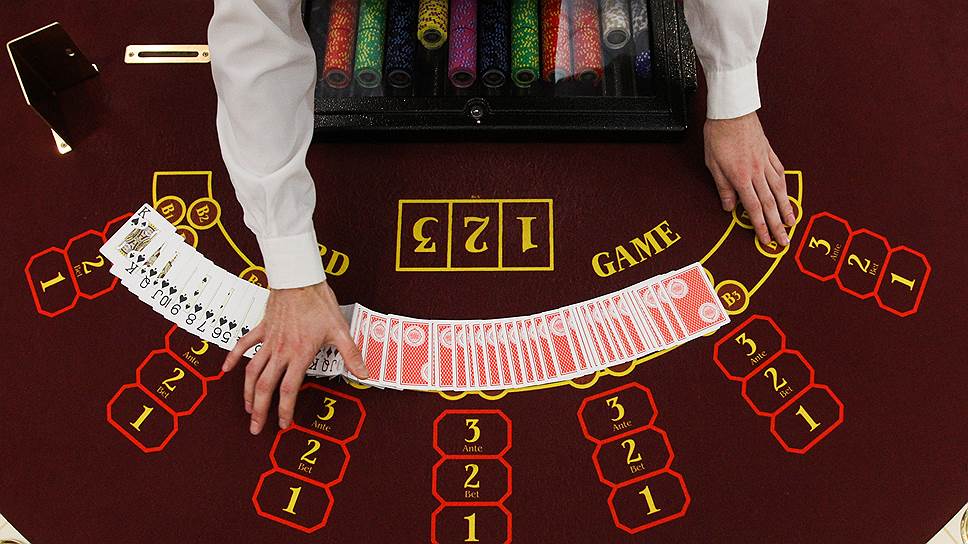
Additionally, many regions have established gaming commissions that oversee the industry, providing an extra layer of security and accountability. These commissions enforce rules that include fair play and responsible gaming practices, ensuring that both players and casinos are upholding their obligations. This regulatory environment plays a significant role in building trust between the gaming establishments and their patrons, further debunking the rigged myth.
Furthermore, ethical standards in the gaming industry encourage fair competition not only among casinos but also among players. Casinos that engage in unethical practices risk losing their licenses and face severe penalties. As a result, the vast majority of casinos prioritize maintaining a level playing field, knowing that their reputation is vital for ongoing success and player retention. The commitment to ethical standards showcases the industry’s dedication to fairness, allowing players to enjoy their experiences without the fear of being deceived.
Conclusion: Understanding the Truth About Casinos
In summation, the notion that casinos are rigged often stems from misconceptions and a lack of understanding about how gambling works. While it is true that casinos have a house edge designed to ensure profitability, this is not indicative of manipulation or unfairness. With mathematical principles guiding game design, the use of random number generators, and strict regulatory oversight, players can engage in gaming experiences that are fundamentally fair.
By acknowledging the randomness and unpredictability inherent in gambling, players can develop a realistic perspective on their experiences within a casino environment. Education about the games and strategies can also foster a more positive relationship with gambling, allowing players to enjoy their time without the burden of the rigged myth. Understanding the gaming industry through a lens of transparency and fairness is crucial for all involved.
Ultimately, dispelling the myth of rigged casinos can lead to a healthier gambling culture. When players are equipped with knowledge and realistic expectations, they can appreciate the entertainment value of casino games rather than fixating on potential losses. In this landscape of fairness, the gaming experience becomes one of excitement and enjoyment rather than suspicion, paving the way for a thriving community of players and casinos alike.

